← All services
TA-AUD

Audio & Sound Systems

TAS.AC designs multi-zone audio and sound systems for Bali's beach clubs, luxury villas, resorts, restaurants and wellness venues. We engineer DSP-driven, Dante-networked systems that survive salt air and humidity, hold to local noise limits, and run from a staff interface with no audio engineer on shift.

Beach clubsVillasResortsRestaurantsWellness

What does TAS.AC design for audio?

TAS.AC designs and engineers multi-zone audio for Bali’s beach clubs, luxury villas, resorts, restaurants and wellness venues: a zone plan on the architectural drawings, DSP and loudspeaker selection, a Dante network where the venue needs one, noise-compliant coverage, and a staff-operable control layer with scene presets — so the venue runs without an audio engineer on shift.

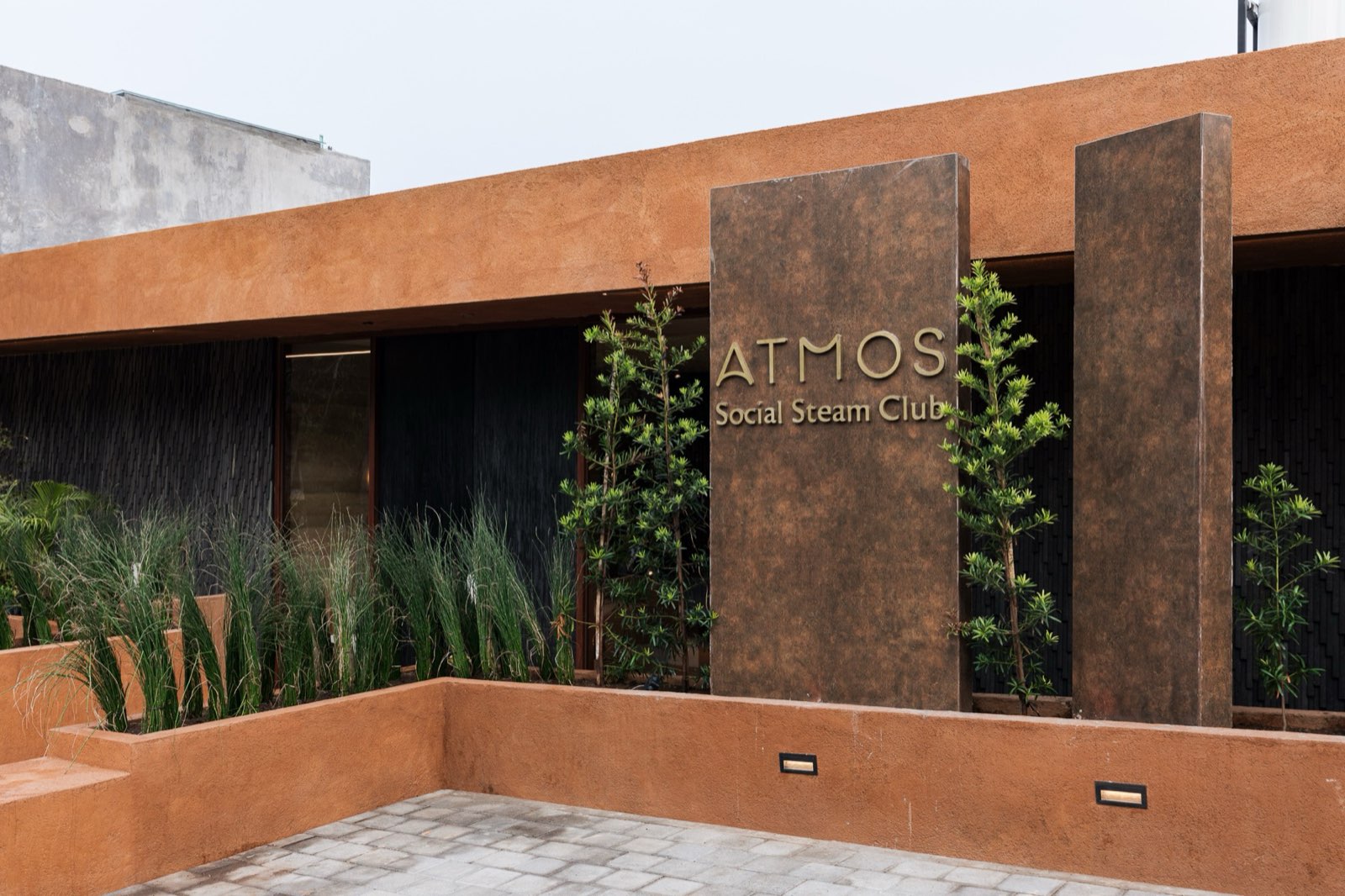
Tropical-grade is the baseline. Outdoor and coastal loudspeakers are IP-rated and corrosion-resistant; amplifiers, mixers and matrix cores are racked in conditioned, ventilated spaces with power conditioning ahead of them. At ATMOS Steam Club we specified IP-rated speakers to run inside clay steam domes at 95%+ humidity; at Heat Space, IP54 speakers for a 40 degree C hot-yoga room, amps racked outside the heat.

Noise compliance is engineering, not a volume cap: directional loudspeakers aimed into the venue, delay zones, per-zone DSP limiting, and SPL modelled against whichever boundary limit your permit or banjar requires.

Why multi-zone, and do I need Dante?

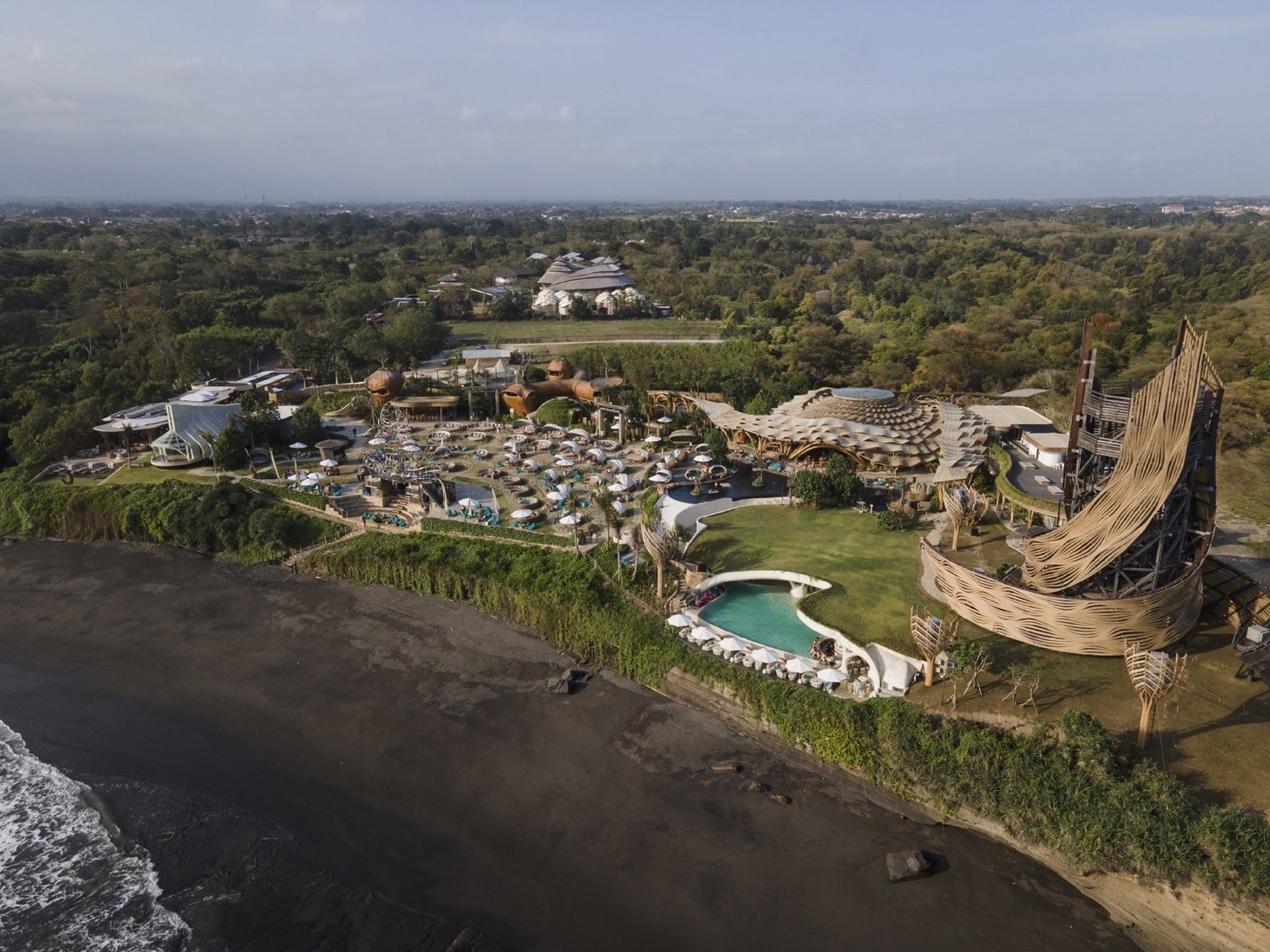
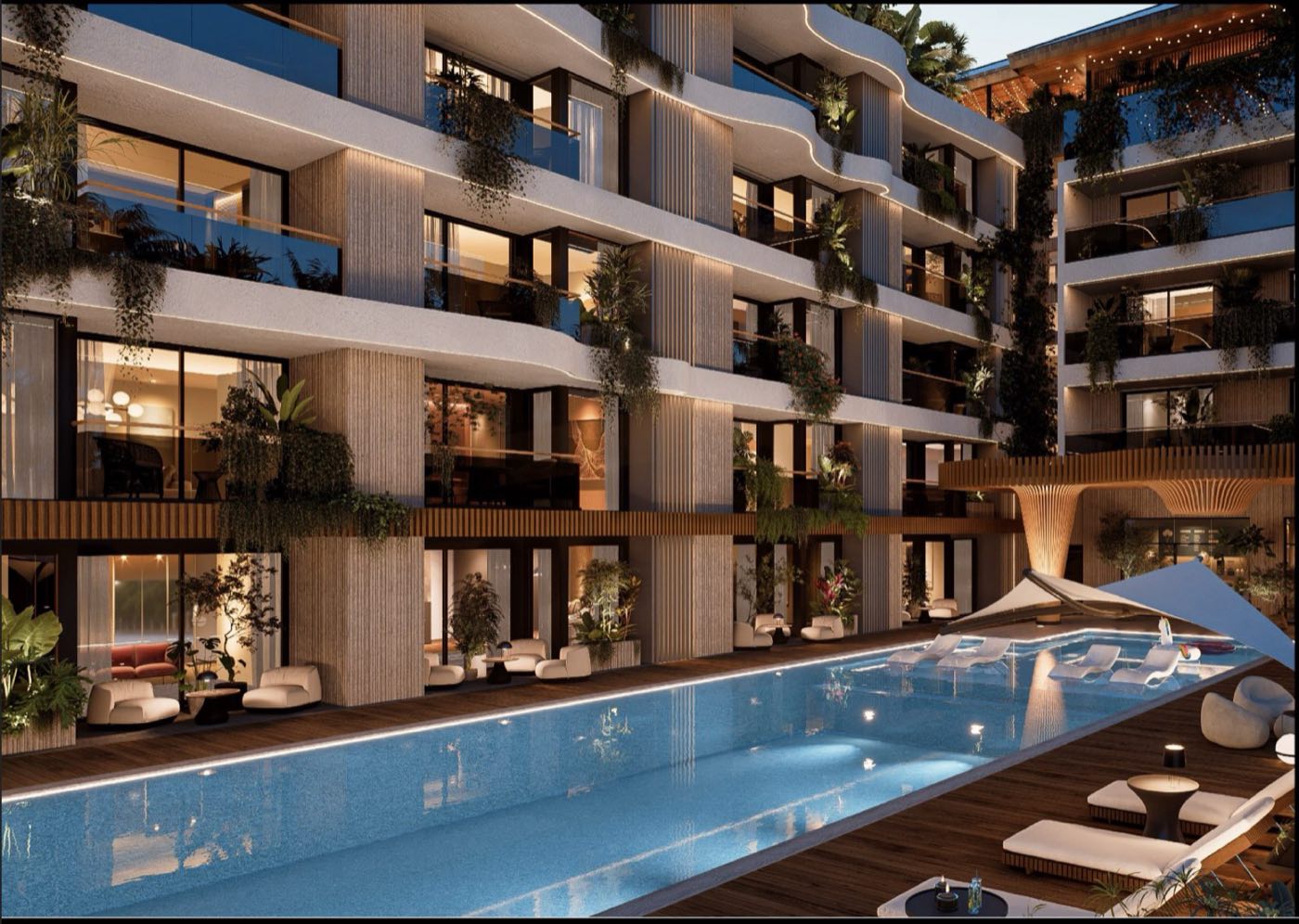
A multi-zone system treats every space independently, with its own level, EQ, source and schedule, while any source can route to any zone from one matrix. Luna Beach Club runs 13 sources across 23 zones: a DJ in the cave club, ambient in the restaurant and a sunset set on the deck, all live at once. PGD Aparthotel runs the same principle at 9 zones with two operating modes.

Dante, by Audinate, carries many channels of low-latency digital audio over one managed Ethernet network instead of separate analog runs. We deploy it where zone and source counts justify it — Luna Beach Club and ATMOS Steam Club both run on it. A single-zone restaurant system, like OUFFF Burger in Berawa, does not.

Who this is for: beach clubs, resorts and aparthotels, wellness venues, restaurants and villas.

How much does beach club audio cost?

Zone count, source count, loudspeaker tier, network complexity, coastal hardening and concealment move the number; a restaurant background system is a fraction of a 20-plus-zone beach club. Every project is scoped from a fixed-fee design phase; see how we price.
What you get

Deliverables.

01

Zone plan and loudspeaker schedule mapped onto the architectural drawings

02

DSP configuration — PEQ, dynamics, delay and per-zone limiting

03

Dante / audio-over-IP network design with switch and amplifier topology

04

Coverage and SPL modelling per zone, with noise-limit headroom built in

05

Staff-operable control interface and on-site handover training

06

As-built documentation, source/zone routing map and a commissioning report

Pricing

What drives the cost.

Every venue is different, so we price from a fixed-fee design phase rather than a catalog. These are the factors that move the number.

Zone count

Each zone needs its own amplification, DSP and cabling; cost scales close to linearly with zones.

Source count & routing

More inputs mean more matrix capacity and scene programming; any-to-any DJ routing costs more than background music.

Loudspeaker tier

Professional line arrays like K-Array sit well above generic install speakers per point.

Matrix & network

A Dante matrix processor, Dante-capable amplification and managed switching is a premium backbone, not a consumer mixer.

Tropical hardening

Salt air, 70–95% humidity and UV push up outdoor cabling, mount and enclosure spec.

Noise compliance

Directional speakers, delay zones, per-zone limiting and sometimes acoustic treatment to hold boundary limits.

Architectural concealment

Hiding equipment in bamboo, basalt, joinery or steam domes adds custom mounting and coordination labour.

Typical stack & brands
K-ArrayAllen & HeathYamahaAudinate / DanteDSPPAKLOTZAKEHUAPU

Brand-agnostic — we specify what fits the room and budget, not what pays commission.

FAQ

Frequently asked.

How much does a beach club sound system cost in Bali?
Cost is driven by zone count, source count, loudspeaker tier, Dante network complexity, coastal hardening and concealment. Premium multi-zone beach-club systems are typically scoped from the tens into the low-hundreds of thousands of USD; a restaurant background system is a fraction of that. Pricing starts from a fixed-fee design phase after a site visit.
Can you keep a Bali venue under the 70 dB noise limit and still sound loud?
Yes — it is an engineering problem, not a volume cap. Directional loudspeakers aimed into the venue, delay zones, per-zone DSP limiting and, where needed, acoustic treatment keep sound power down at the boundary while energy stays high inside. We model SPL per zone against whichever limit your permit or banjar requires.
How do you stop speakers failing in salt air, humidity or a steam room?
Outdoor and coastal positions get IP-rated, corrosion-resistant loudspeakers and mounts; electronics are racked in conditioned spaces away from heat and moisture. At ATMOS Steam Club, IP-rated speakers run inside clay steam domes at 95%+ humidity; at Heat Space, IP54 speakers serve a 40 degree C hot-yoga room with the amps racked outside the heat.

Let’s scope
your system.

Tell us the venue type, location, and stage. We start with a fixed-fee design phase that locks the scope and the number.