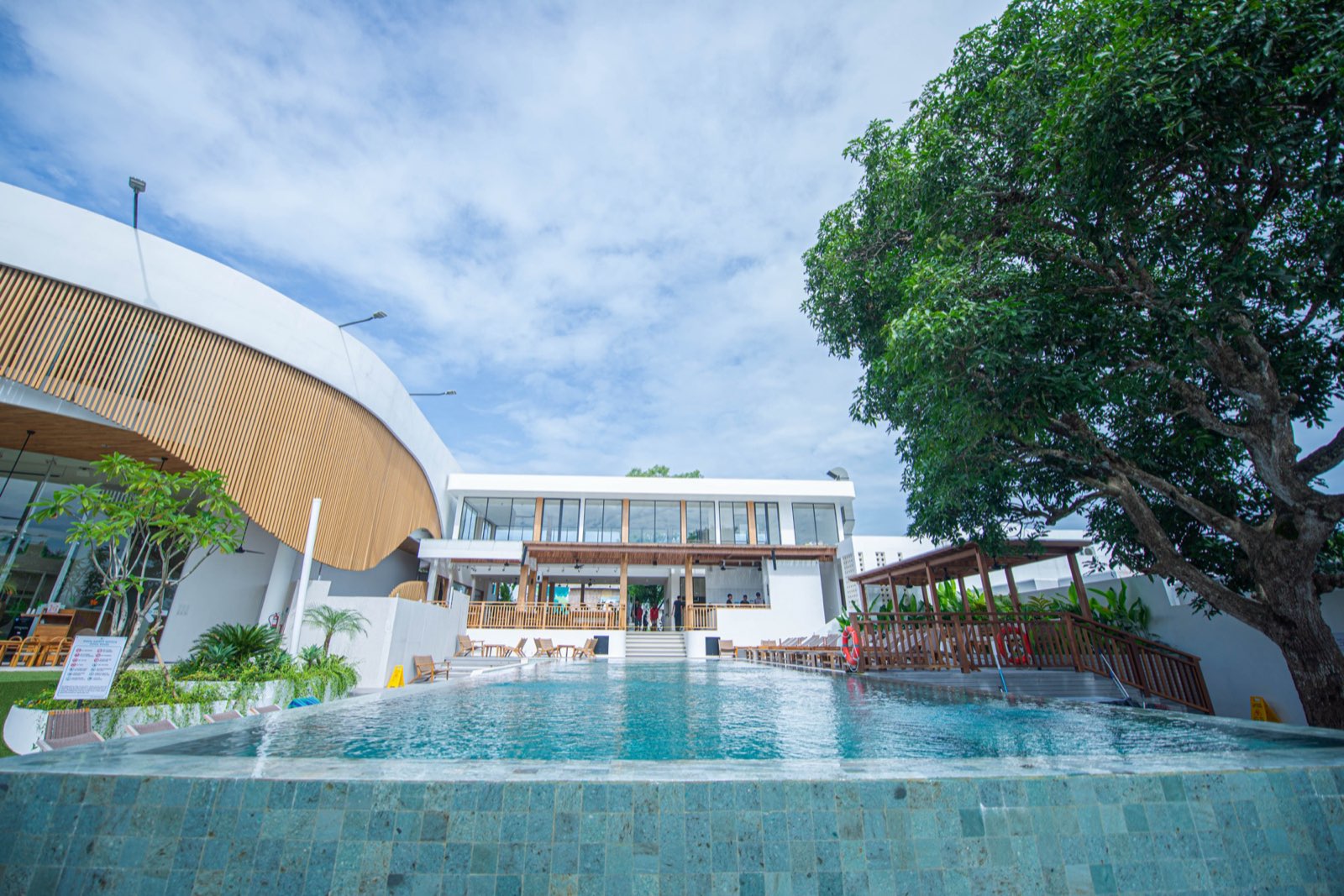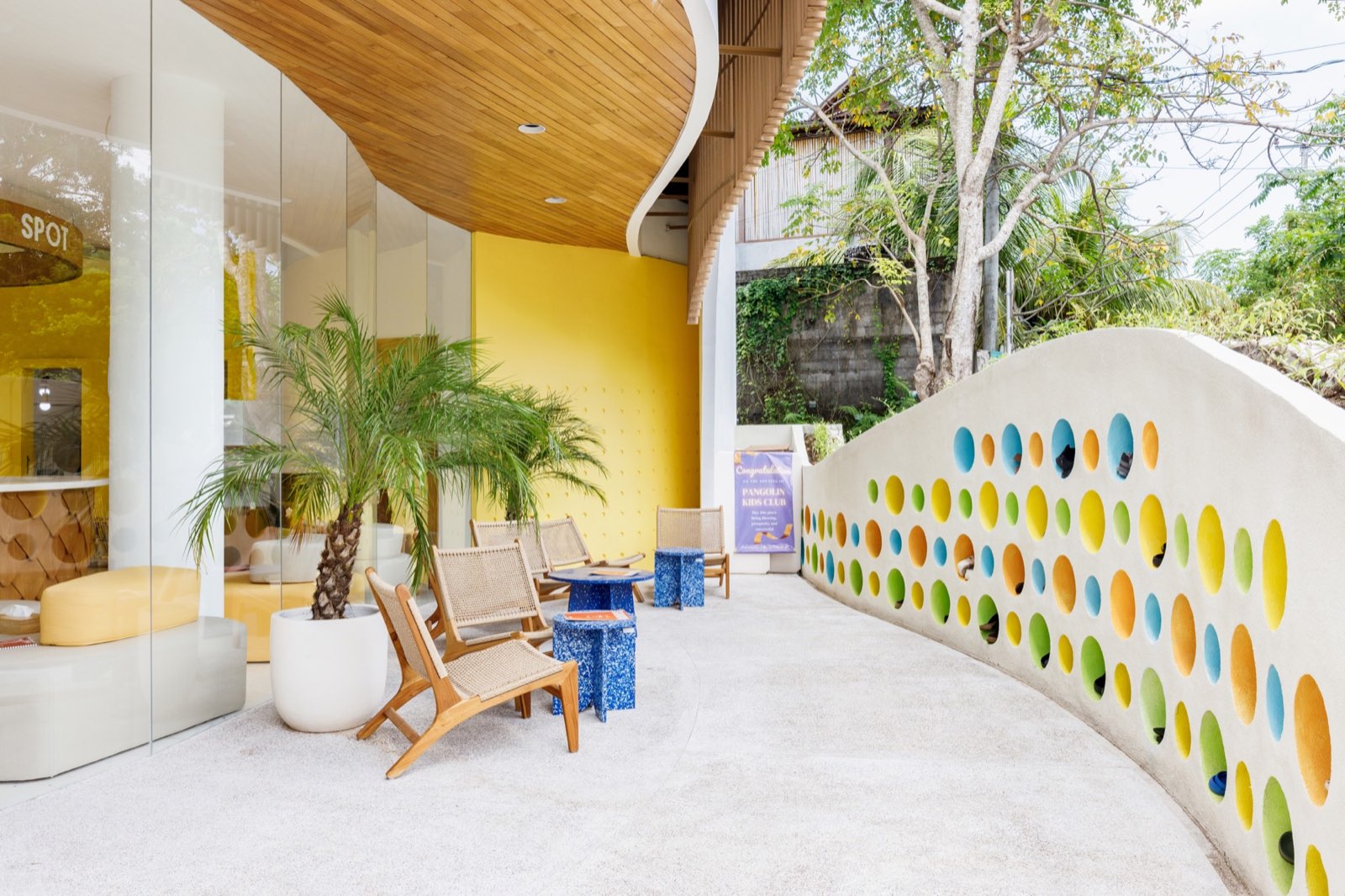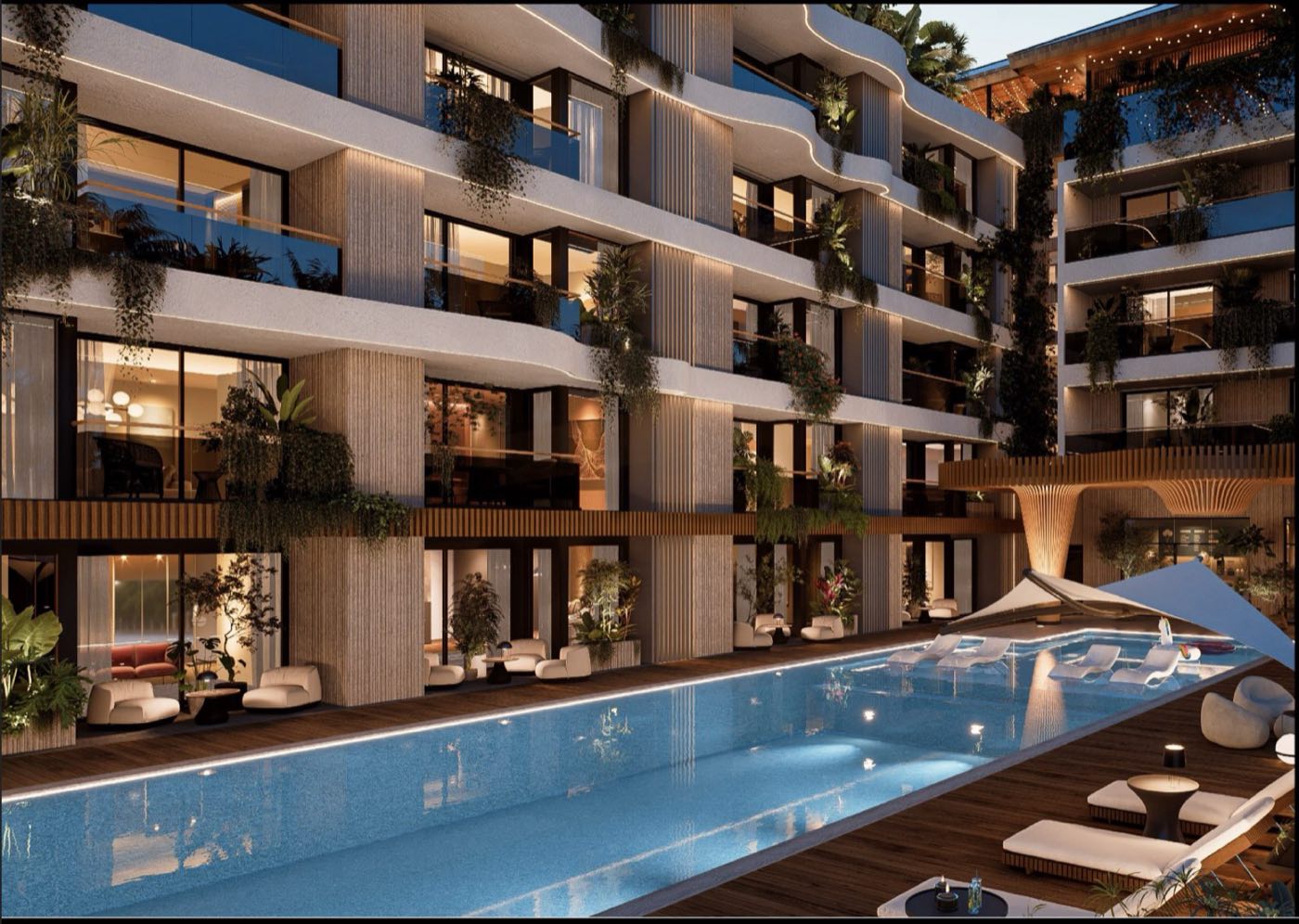
TAS.AC is designing a 9-zone audio system with DJ routing for PGD Aparthotel, an 85-unit apart-hotel in Berawa, Canggu (Tibubeneng, Badung, Bali) operated by Ribas Hotels Group. The system runs two modes: calm ambient background by day, and combinable DJ routing across rooftop, pool and restaurant for events. The work is integrated at design phase, the property is in construction, and delivery is scheduled for Q2 2026. The numbers and scope below describe design intent, not yet-measured operational results.
What did PGD Aparthotel need?
One audio system that behaves as two. By day, low-key background music across the public areas of an 85-unit apart-hotel. For events, a DJ on the rooftop routed to pool and restaurant while the lobby stays on its own playlist. One install, no engineer on call to switch between modes. The property is a five-floor, roughly 6,800 sqm apart-hotel run by Ribas Hotels Group, so the brief weighted a quiet daily baseline and genuine event capability equally.
Why design-phase integration?
TAS.AC is on the project before the walls go up, working alongside SHOVK Studio (Kyiv) and 19 Buro / AV19 Bureau (Bali). Speaker positions, cable routes, amplifier-rack locations and zone boundaries land on the architectural drawings, not on a punch list after handover. Conduit and back-boxes get placed correctly the first time, amplifier heat and noise sit away from guest spaces, and coverage is calculated against real room geometry instead of fought against a finished ceiling.
The 9-zone architecture
Nine independently controlled zones span the public and semi-public areas, each with its own EQ, level and source selection. Coverage is calculated per zone, because a tiled pool deck, a soft-furnished lobby and an open rooftop do not behave the same acoustically.
| Zone group (design intent) | Daily role | Event role |
|---|---|---|
| Lobby / reception | Background ambient | Stays on independent ambient playlist |
| Restaurant | Background / dining | Joins DJ group when routed |
| Rooftop | Background ambient | Primary DJ origin point |
| Pool area | Background ambient | Joins rooftop DJ group |
| Coworking / common areas | Low-level background | Independent or muted |
| Corridors / circulation | Low-level background | Independent or muted |
How does the DJ routing work?
Routing is an any-to-any matrix, not fixed wiring. Any source (DJ input, house playlist, streaming, live feed) can be assigned to any zone or group. A rooftop DJ can feed pool and restaurant for one event and a different combination the next night, while the lobby holds its own ambient feed. The system switches between background and DJ mode without restart or audio gaps, and event staff reconfigure routing themselves through a simple interface.
Key elements
- 9 independently controlled audio zones with per-zone EQ, level and source selection
- Any-to-any source matrix: DJ input, house playlist, streaming or live feed to any zone group
- Dual-mode operation: scheduled ambient by day, DJ event mode on demand
- Mode switching without restart or audio gaps
- Time-based scheduling presets for morning, afternoon, evening and late night
- Centralized control of all zones with remote management for hotel operations
- Staff-operable event routing, no AV engineer required
What does this cost?
There is no published project total for PGD Aparthotel; the equipment schedule is part of an active design, and TAS.AC prices by scope rather than a catalog. See how we price. The factors below move the number more than floor area does.
| Cost driver | Why it moves the price at a venue like PGD Aparthotel |
|---|---|
| Number of zones | 9 independent zones means more amplifier channels, more DSP I/O and more cable runs than a single-zone bar |
| Routing complexity | Any-to-any DJ matrix and seamless mode-switching require a capable processor, not basic background-music gear |
| Speaker tier and count | Rooftop and pool event coverage needs higher-output, weather-rated loudspeakers; ambient corridors do not |
| Coastal/outdoor rating | Salt air and humidity in Berawa push toward corrosion-resistant, IP-rated hardware for exposed zones |
| Control and scheduling | Centralized control, scheduling and remote management add controller cost beyond raw audio |
What results can PGD Aparthotel expect?
The property is in construction with delivery targeted for Q2 2026, so there are no operational results yet. The design targets the system will be judged against: 9 independently controlled zones, any-to-any routing, mode switching without restart or gaps, and operator-level control without an on-site engineer, all integrated on the architectural drawings before construction.
Note on naming: public sources reference the developer as both “Premier Global Development” and “PT Premier Development Group,” and third-party listing portals cite commercial terms that are marketing claims rather than independently audited figures. This case study describes only the audio scope TAS.AC is delivering.