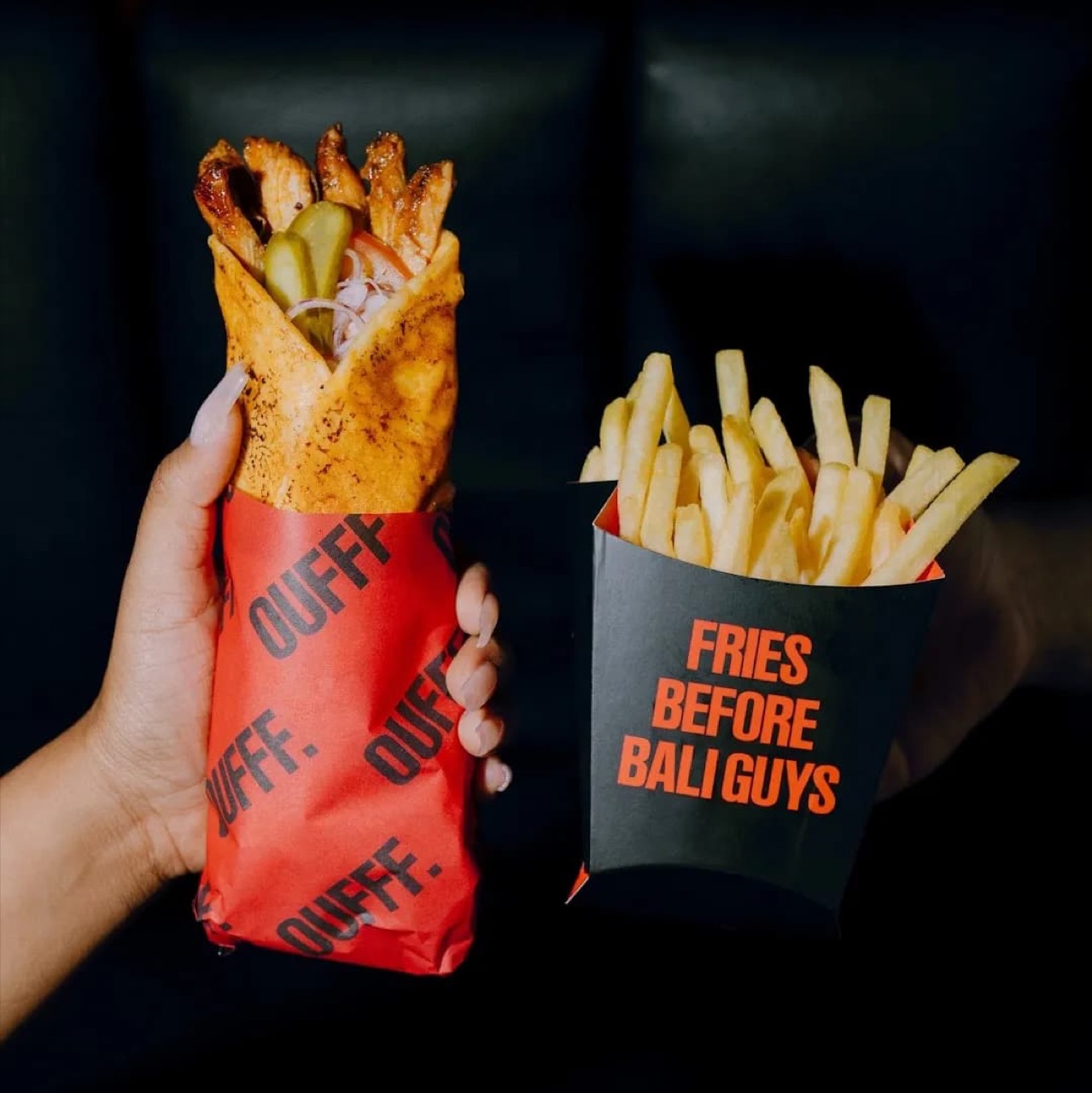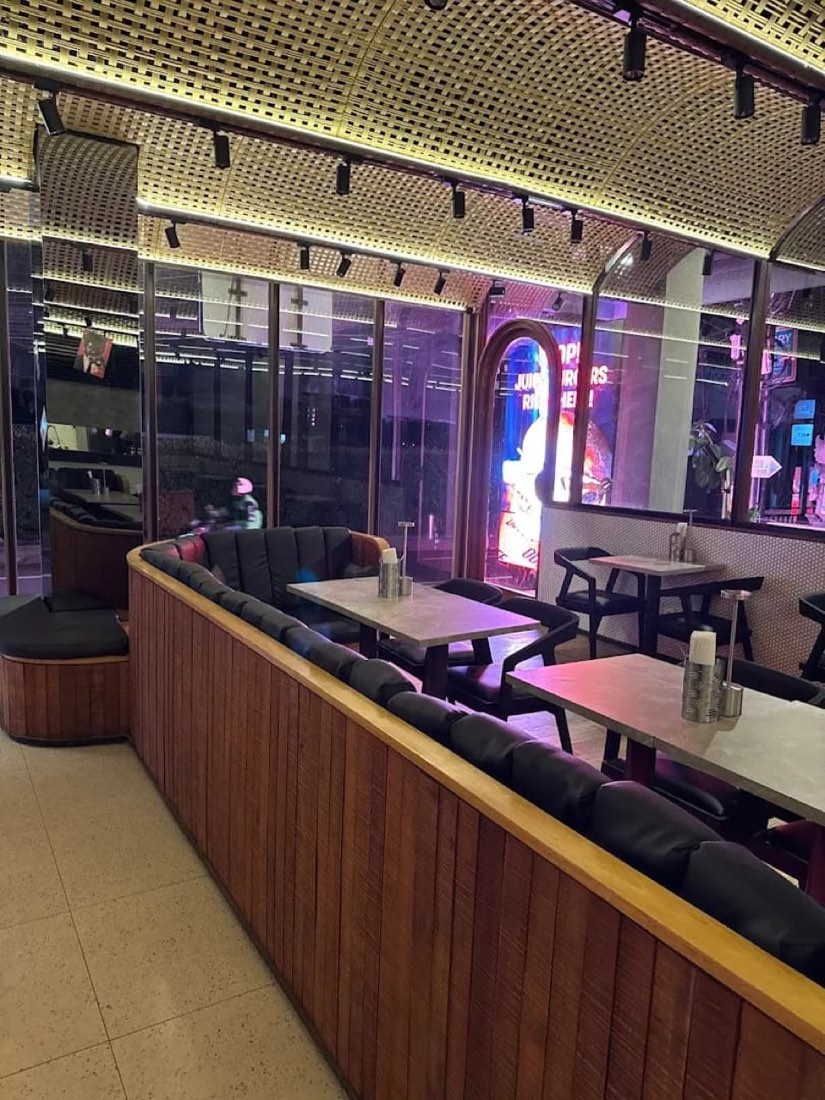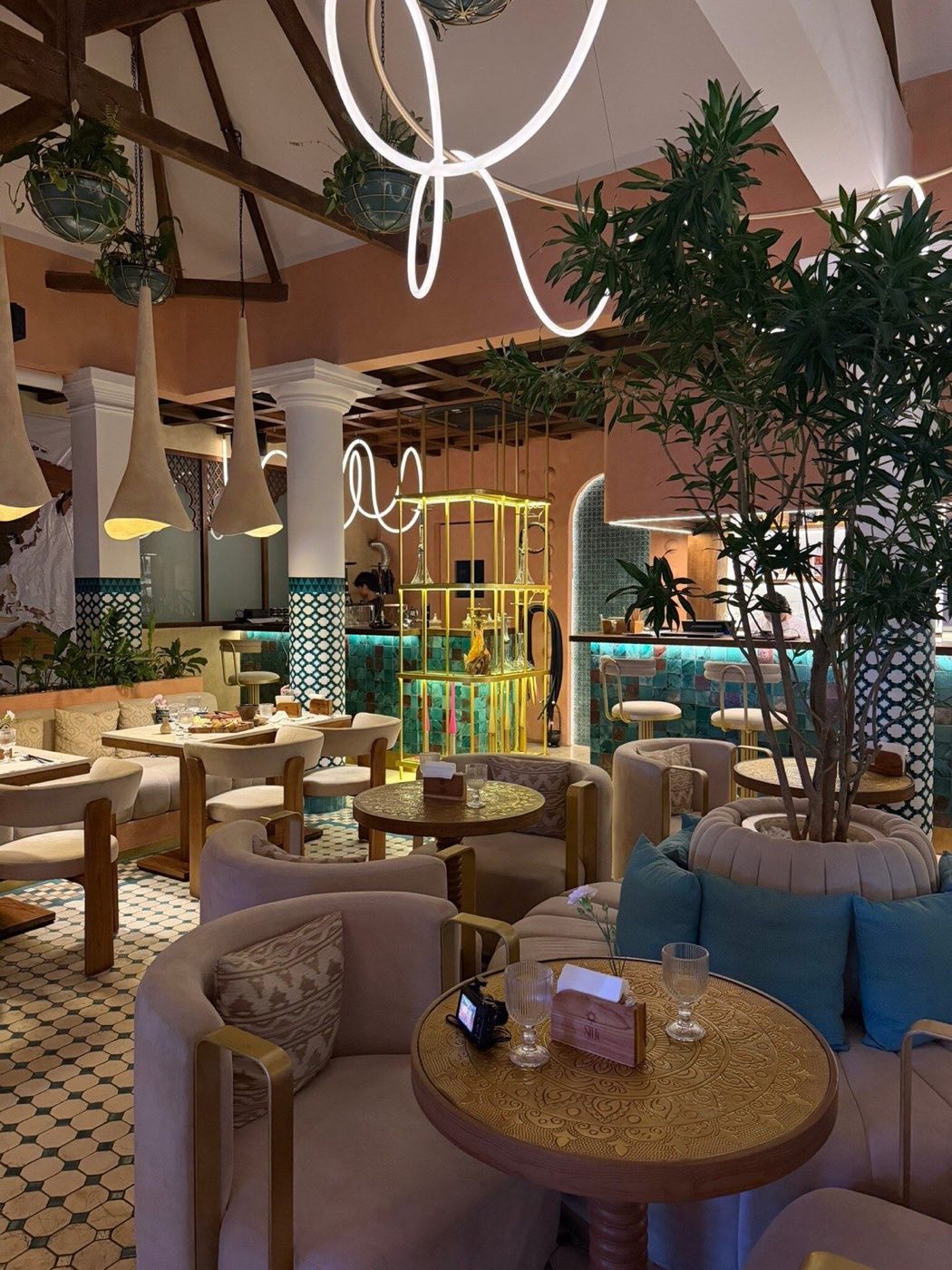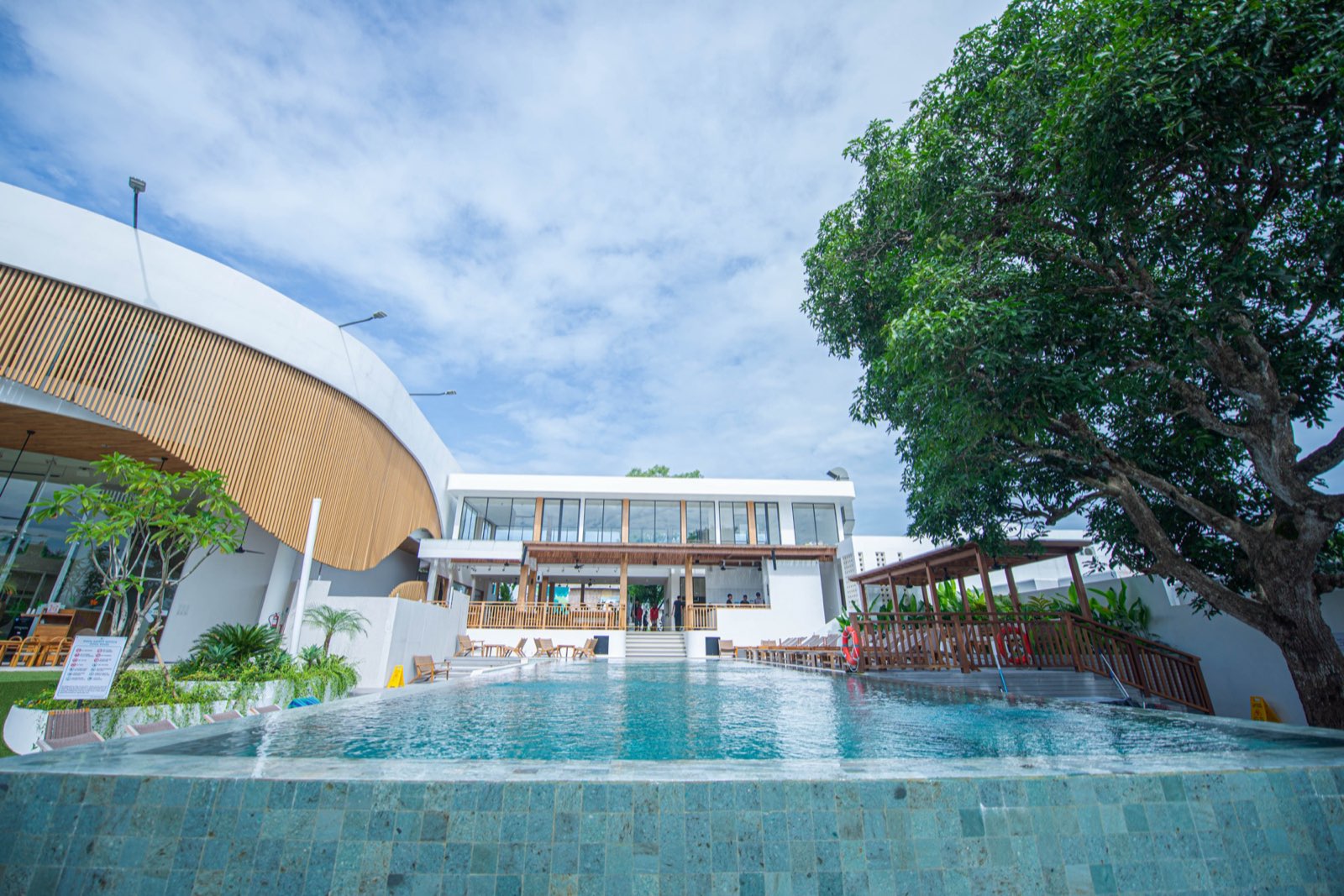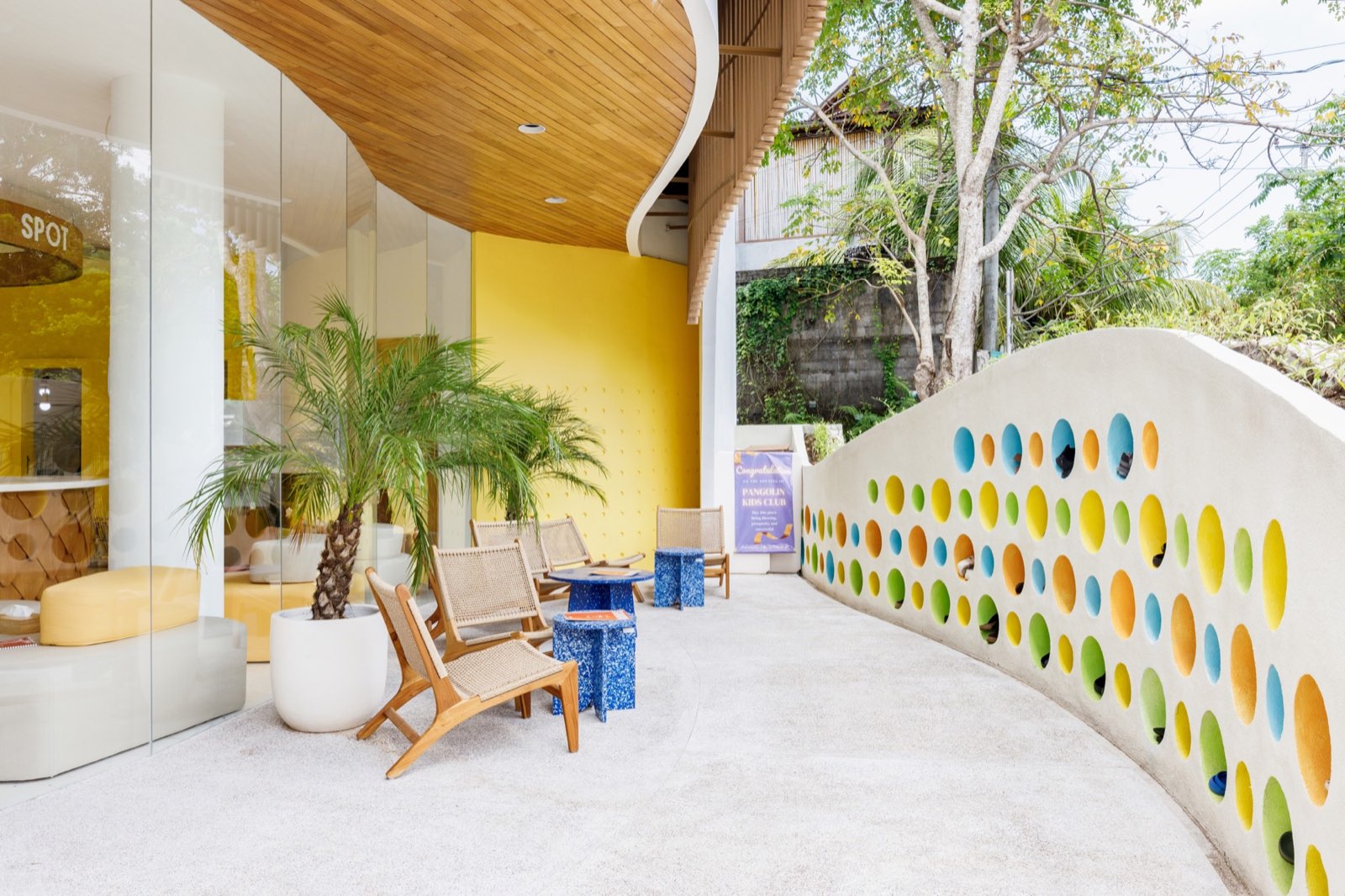
TAS.AC designed and installed the background-music system for OUFFF, a late-night burger and shawarma venue in Berawa, Canggu (Tibubeneng), Bali. The single-venue scope covered speaker selection, placement and calibration across indoor and semi-outdoor dining zones. Completed and operating, the OUFFF system applies the same audio engineering discipline TAS.AC uses on multi-villa resorts, scaled to one counter-service venue.
Note on scope: the design, install and completed status for OUFFF reflect TAS.AC project records. OUFFF’s AV integrator is not publicly documented, so treat the integration details below as project knowledge rather than public fact.
What did OUFFF need?
OUFFF markets house music and private parties as part of the product. Open daytime through late-night (to 5am several nights a week), it needed even, controllable sound across an indoor room and a semi-outdoor street-food area, without the patchy coverage typical of consumer speakers bolted to a wall: clean at conversational levels by day, lifting toward party energy at night. In the dense Berawa-Semat strip, a clear music identity helps a small footprint hold its own.
What did TAS.AC install?
The right speakers, placed correctly, then calibrated to the room — the same sequence TAS.AC runs on resort-scale jobs, compressed to one footprint.
| Step | What TAS.AC did at OUFFF |
|---|---|
| Speaker selection | Even dispersion and intelligibility at dining levels, suited to a humid, partly open-air space |
| Placement | Consistent coverage indoors and semi-outdoors, no hot spots or dead corners |
| Zoning | Indoor dining and semi-outdoor areas treated as distinct coverage zones |
| Calibration | Clean from low daytime volume up to late-night energy |
Why resort engineering for a burger venue?
Because the failure modes are identical at any scale. A speaker pointed at a tiled wall in a humid, semi-open Canggu venue washes out the same way a poorly specified resort system does: thin treble, uneven coverage, distortion as the night gets louder. The selection-placement-calibration method carries straight across from 30-villa complexes to single rooms; only the zone count changes.
What does a system like this cost?
Cost moves with zone count, speaker count and grade, outdoor rating for semi-open areas, control needs and calibration labor; a single-venue system sits well below resort-scale AV budgets. There is no catalog price; how TAS.AC prices this work is on /pricing/.
The result at OUFFF
The system is completed and in daily operation, covering both zones from daytime service through late-night hours. OUFFF runs as a 5.0-rated, high-traffic venue where guests repeatedly call out the music as part of the experience, consistent with a brief that treats audio as product, not afterthought. As a single-venue job the result is qualitative: even, clean coverage at every hour OUFFF is open, delivered with the same method TAS.AC applies at resort scale.