What does TAS.AC design for CCTV?
TAS.AC designs operator-grade IP CCTV and access control for Bali’s resorts, beach clubs, villas, restaurants and wellness venues. Every camera position is specified by field of view, low-light performance and an IP/IK rating that matches where it sits; coastal and poolside positions get marine-grade, corrosion-resistant housings. The recording stack, retention policy, access logging and signage plan are designed together, so the property can operate the system and stand behind it.
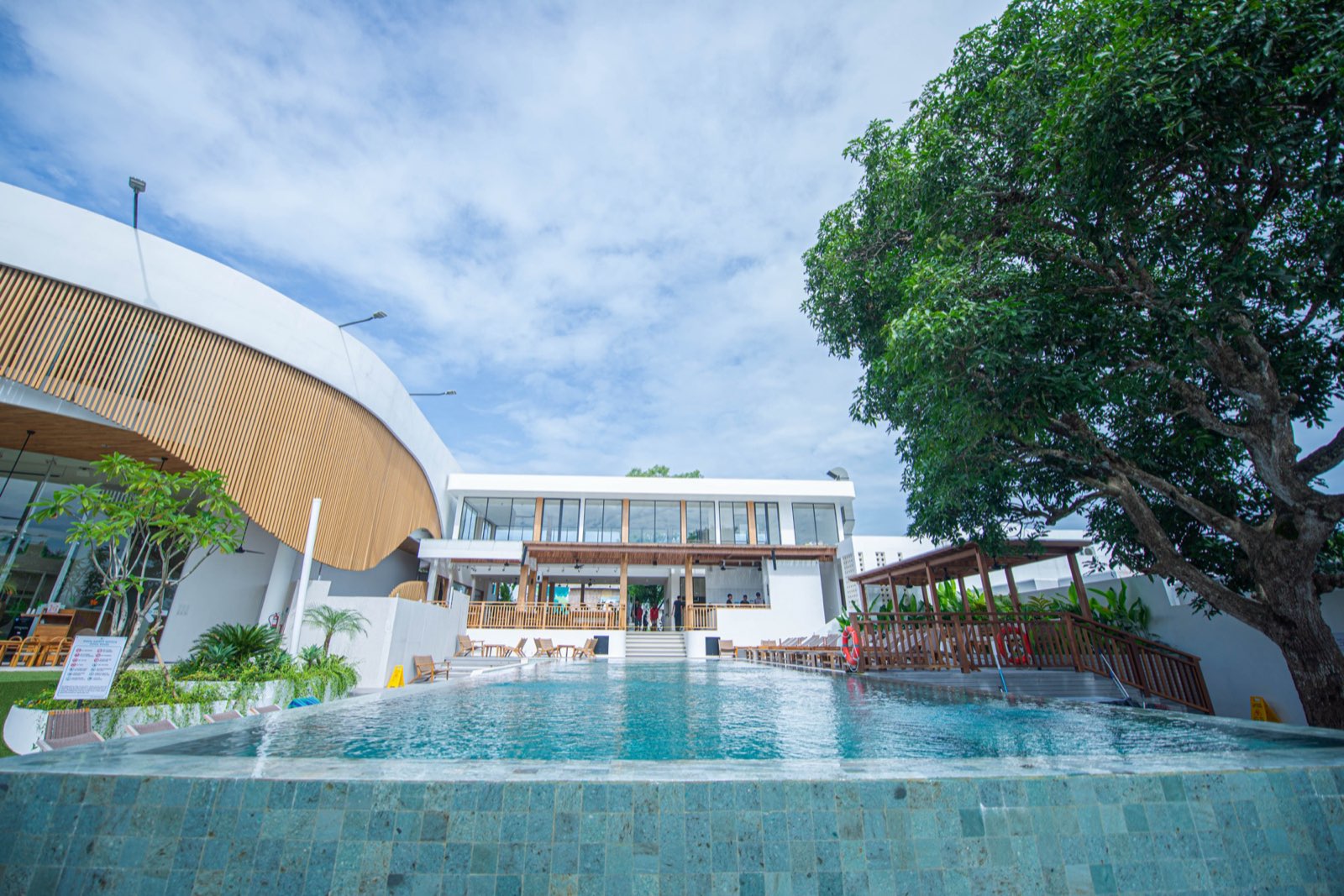
This is not a residential “pasang CCTV” job. A hotel is a data controller under Indonesian law, so the system rides its own segmented VLAN on the property’s engineered backbone, records to a documented retention window in secured storage, and hands over with as-built documentation and credentials. At Family Nest, a multi-venue resort on the salt-exposed Bukit Peninsula in Pecatu, the CCTV shares one fiber backbone with audio, Wi-Fi and Starlink failover, on its own isolated VLAN.
Is this PDP-compliant under UU 27/2022?
We design to support compliance with Indonesia’s Personal Data Protection Law (UU 27/2022), which treats identifiable footage as personal data. Four disciplines are baked into the design: a documented retention period, secured and access-controlled storage, a signage and notice plan so guests and staff are informed, and access logging on who can view footage. Final legal sign-off stays with your operator and counsel.
The law sets a principle, not a fixed retention number: keep footage only as long as there is a lawful purpose, then delete it. Hospitality operators in Indonesia commonly land on a fixed window, often around 30 days, balancing incident-investigation needs against storage cost. We size the NVR to the period you choose and write it into the as-built policy.
How much does hospitality CCTV cost?
Cost scales with camera count and coverage, camera grade per position, retention and storage, access-control scope and the compliance documentation; a restaurant and a multi-venue resort are different orders of magnitude. Every system is scoped from a fixed-fee design phase; see how we price.